
Apr 6, 2026
3 min. read
Keeping your home secure is about feeling confident, prepared and ready for whatever comes your way. Carbon monoxide (CO) is a gas you can’t see, smell or taste. People often call it the “invisible danger.” Luckily, an ounce of prevention can help you and your family stay safe.
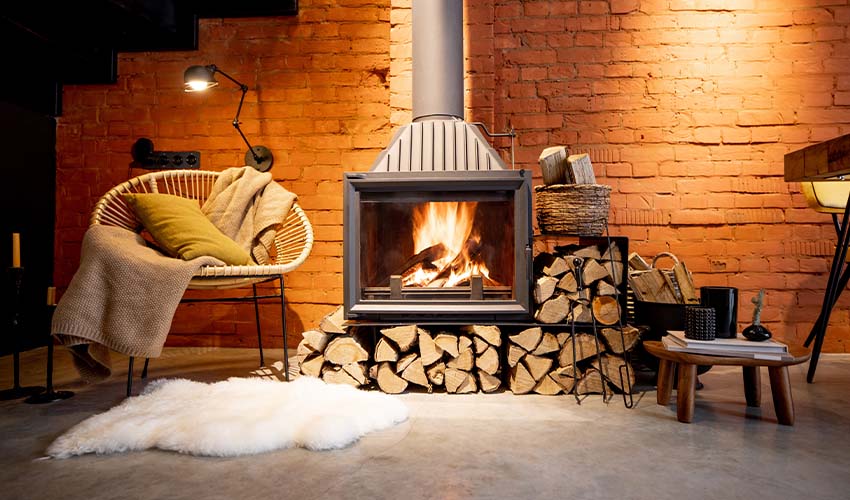
What are the common sources of carbon monoxide?
Most home appliances that burn fuel are safe when they are functioning properly. This includes your furnace, gas water heater and wood fireplace. Good venting moves any gas safely outside and away from your family. To keep things running well, have a licensed HVAC professional check your appliances once a year. This simple step keeps your equipment running efficiently and your indoor air fresh.
How important is a carbon monoxide detector?
The best way to feel sure about your home’s safety is to install carbon monoxide detectors on every floor. These tools wake you up long before gas levels get too high. Test the alarms once a month by pressing and holding the “test” button until you hear four clear beeps. And twice a year, replace the batteries to ensure dependable protection.
Tip: An easy way to remember to change your batteries is to do so when you reset your clocks for daylight saving time.
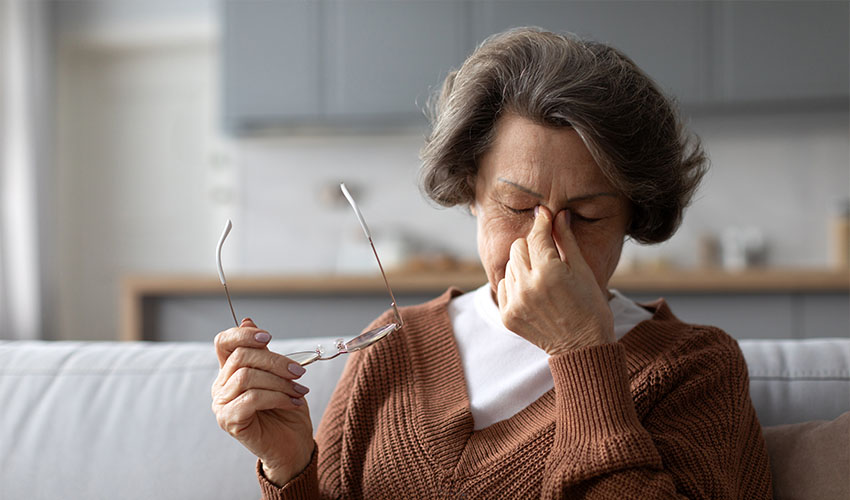
What are the warning signs of carbon monoxide in a house?
Prevention is the main goal, but knowing the warning signs can also help keep you prepared. Initial symptoms of carbon monoxide exposure often feel like a mild flu. You might have a headache, feel dizzy or get tired. One big difference is that you usually will not have a fever. If a few people in your house feel these CO poisoning symptoms at the same time, get to fresh air right away. Noticing these signs early is the best way to avoid carbon monoxide poisoning.
What to do if an alarm sounds.
If your alarm goes off, stay calm, and follow these steps:
- Get everyone outside to fresh air immediately
- Call 911 or your fire department once you are safely outdoors
- Don’t go back inside until a first responder says it’s okay
By reading this guide and maintaining carbon monoxide detectors in your home, you’re already prepared. Relax and enjoy your home, knowing you have everything under control.
For more home safety advice, check out the latest issue of CAA Magazine.